According to Accountants in Feltham Companies, regardless of industry are facing more and more competition with each successive day. Supervision and sustaining business performance has never been more important, whether you are a large corporation or a small start-up. As a result, internal audits have evolved into a critical component of a company’s success. Because of the fast-paced nature of today’s business environment, any corporation that fails to adequately evaluate and manage risks being ruined.
Best Chartered Accountant in London says if your clients or end-users demand safe and complying goods or services, you’ll need to make sure you’re taking advantage of internal audits with the help of Bookkeeper in Feltham. In this post, we’ll look at what an internal audit is and why it’s such an important part of running a successful company.
What are Internal Audits?
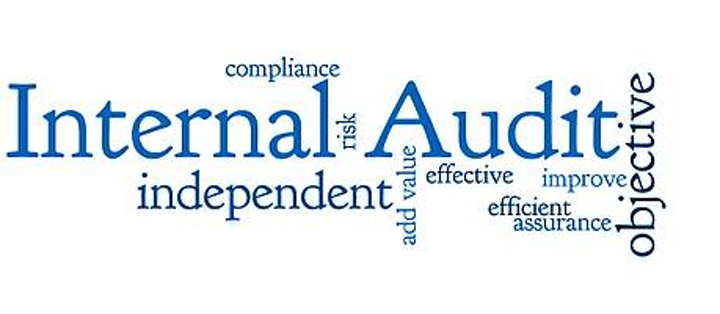
Simply described by Chartered Accountant in Hounslow, an internal audit is an impartial activity that analyses the efficacy of an organization’s internal processes, risk evaluation, and management from an objective standpoint. It is usually proactive, intending to identify any inconsistencies between business functions and their primary target. Following the conclusion of the internal audit by the payroll tax advisor in Hounslow, management receives a full report describing the results as well as any suggestions.
Internal audits done by Best Accountants in Feltham go well beyond your organization’s internal processes by incorporating actions that impact businesses from start to end. Best Accounting Firm in Feltham worried about your organization’s entire health and accomplishment.
What do these Internal Audits include?
The sampling of existing documents and rules, the creation of reports, and the assessment of the preliminary analysis by the best accounting firm in surrey are all part of a normal internal audit. Internal audits were formerly performed manually and required a significant amount of time and resources.
Companies are increasingly wishing to use technology to effectively control the audit process by implementing a software management platform. Organizations that have started utilizing these platforms can now automate a variety of auditing processes, saving ample amount of hours of labor. It would be something as basic as an autonomous gathering of firewall system settings, or something more complicated like modified duties.
1. Inspection, collection, and testing – This step of an internal audit acts as a data collecting phase, which is also known as the analytical phase. It includes everything from randomly choosing documentation to watching procedures across the entire firm. In recent years, businesses looking for accountants have been able to employ GRC systems to swiftly obtain the data required to effectively assess the level of risk within their organization.
2. Reporting – The next stage for internal auditors or accountants looking for bookkeepers would be to write a report when all the relevant material has been acquired. A standard report can include a thorough discussion of the audits as well as suggestions for enhancing reporting standards. A short overview of the audit process can also be included in the report.
3. Reviewing – A per Accountant in Feltham, After the report is finished, the internal supervisory board reviews it to provide recommendations to the impacted divisions and executives. These suggestions and conclusions are then discussed with top management, who can then implement any necessary adjustments.
4. Need of Internal Audits – Internal audits by the Bookkeeper will continue to be a crucial step for delivering good management as risks grow.
The following are the most important reasons why you should go for internal audits:
Assessment of Control – This is one of the most important reasons to conduct internal audits. It helps you to evaluate your internal controls for process and quality effectiveness, allowing you to improve the risk management in your firm. The essential examination here is to see if the restrictions are serving their function and are adequate for risk minimization.
Meeting the Requirement of Compliance – Internal audits not only provide peace of mind but also confirm that you comply with relevant legislative requirements. For example, compliance standards such as the NIST 800-53 information security standard and the ISO 27001 information security standard all need an internal audit before you can be considered compliant as informed by Accountancy in Feltham.
Improvement of Operational Efficiency – Internal audits give an objective examination of your organization’s guidelines and practices, so you can be confident that the mechanisms in place are adequate for managing the risks. Furthermore, if these procedures are regularly observed, you will be in a stronger position to swiftly discover organizational flaws, increased productivity.
Impartial and Neutral Insight – An internal audit by Accountancy in Feltham offers you an independent assessment of how successful your accounting practices are, regardless of the scope of an entire organization or just a few divisions. You could cross-train personnel to audit each other’s departments if your organization has limited funds and you can’t create an independent audit cell.
Mitigating Risk and Protecting Assets – Internal audits can assist you in identifying weaknesses in your company that may be addressed to preserve your capital. This will assist top management in diagnosing and prioritizing risks within your company, as well as reducing them.
Internal auditing is an essential activity for many firms and they look frequently towards testimonials of accounting firms, whether it’s to validate controls are in place or to suggest areas for development. We could only expect audits to become more important in the future, especially as more frameworks are introduced that need strict limits to be implemented.
As per Accountants near me, the Market will continue to resort to technology to enhance efficiency as internal audits become more important and frequent. Companies that already use a comprehensive GRC, IRM, or ERM product for risk governance planning can handle and execute internal audits with the same technology. Utilizing actual data collected from their reporting system and integrating it into their auditing process Companies who use technology to manage internal audits get instant and long-term benefits, helping them to compete in the market.